

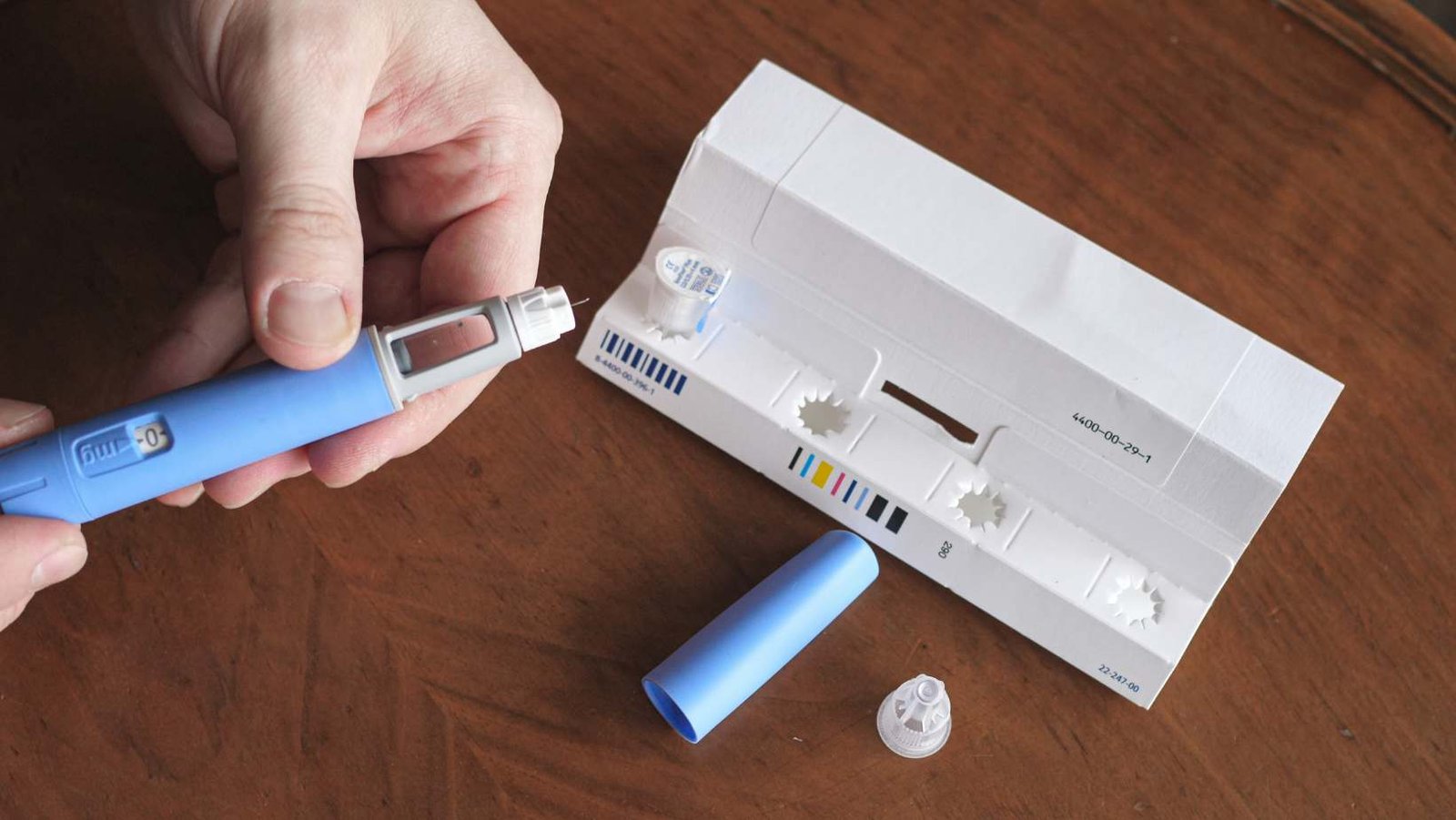
Hair loss after weight loss, bariatric surgery, and use of Ozempic® is an increasingly common phenomenon. Many people who experience significant weight loss—whether through strict diets, surgery, or drug treatments for appetite control—notice a decrease in hair density months later. In this article, we explain why it occurs and how it can be effectively prevented or treated.
Why does hair fall out after weight loss?
Hair is a tissue that is highly sensitive to metabolic and hormonal changes. When the body undergoes rapid weight loss, it prioritizes vital functions and can neglect non-essential ones, such as hair growth.
This can cause a type of temporary alopecia called telogen effluvium, in which a large portion of the follicles enter the resting phase and the hair sheds more easily.
Bariatric Surgery and Nutritional Deficiency
Bariatric surgery alters the digestive system, limiting the absorption of essential nutrients such as protein, iron, zinc, biotin, and B vitamins. These deficiencies directly impact hair health.
Therefore, after a procedure of this type, it is essential to maintain medical and nutritional monitoring, including periodic tests and specific supplementation to prevent hair loss.
Ozempic and Hormonal Changes
The use of Ozempic (semaglutide), a medication used for weight control and type 2 diabetes, may also be associated with hair loss. Although this drug does not directly cause telogen effluvium, the rapid weight loss it induces, along with possible hormonal and appetite changes, can promote telogen effluvium.
It is important not to discontinue treatment without specialist supervision and to consider hair support measures if increased hair loss is observed.
How to prevent and treat hair loss?
At our hair clinic, we approach each case individually. Some recommendations include:
- Ensure a balanced, protein-rich diet.
- Conduct complete blood tests to detect nutritional deficiencies.
- Start hair treatments such as mesotherapy, PRP, or specific supplements.
- Maintain adequate medical supervision after surgery or while using Ozempic®.
With a comprehensive approach, it is possible to slow hair loss and stimulate hair recovery.
Conclusion
Hair loss after weight loss, bariatric surgery, and the use of Ozempic® is a common but reversible problem. With an accurate diagnosis, an appropriate nutritional plan, and personalized hair treatments, hair can regain its strength and density in just a few months.
You can find more interesting hair care content on Dr. Panno’s blog and follow us on Facebook, Instagram, TikTok, and Twitter. We also invite you to watch interesting videos on our YouTube channel.
Recent Comments